
Which Survey Equipment Should You Buy First? A Practical Guide for Young Surveyors and Growing Companies
Starting a surveying business or expanding an engineering or construction company often comes with one important question:
Which survey equipment should you buy first?
For many young surveyors and new companies, the answer is not simply about buying the most expensive equipment. Your decision should be based on the type of work you handle, your budget, your working environment, and the direction you want your business to take.
The best approach is simple:
Start with the work, then choose the equipment.
Start With the Work You Do
Before purchasing any equipment, consider the type of projects you currently handle.
Do you mainly work on:
• Boundary surveys
• Cadastral surveys
• Topographic surveys
• Construction setting out
• Engineering surveys
• Earthwork measurements
• GIS data collection
Or are you planning to move into larger construction, infrastructure, mining, oil and gas, drone mapping, or hydrographic projects?
Different projects require different equipment.
Do not buy equipment simply because another surveyor uses it. Buy equipment that helps you complete the work you have and supports the type of projects you want to attract.
Consider Your Budget
Your equipment budget should go beyond the main instrument.
You may also need to budget for:
• Survey controller
• Survey pole
• Bipod
• Batteries and chargers
• CORS or NTRIP data
• Survey software
• Accessories
• Transportation
• Training
• Maintenance and calibration
If you spend your entire budget on the main equipment, you may struggle to afford the things required to actually operate it.
Your goal should be to build a complete working survey setup, not simply own an expensive instrument.
Buy Equipment That Solves a Problem
Your first major equipment purchase should solve a real business problem.
Perhaps you constantly rent GNSS equipment.
Perhaps you are losing projects because you cannot mobilize quickly.
Maybe you want to bring surveying work in-house instead of outsourcing it.
Or perhaps your current equipment cannot handle the projects you want to pursue.
These are much better reasons to invest than simply wanting to own the latest technology.
Ask yourself:
What problem will this equipment solve for my business?
Think About Your Future Projects
Your current workload matters, but so does your future business plan.
If you currently handle small land surveys but want to move into construction and engineering projects, your equipment should be capable of supporting that growth.
However, you should also avoid buying highly specialized equipment for projects you rarely receive.
If you only occasionally need equipment such as an echo sounder, LiDAR system, or specialized drone payload, renting may initially make more financial sense.
As demand increases, you can consider purchasing your own equipment.
Consider Your Working Environment
Where you work can influence the type of equipment you need.
Surveying open land is different from working in urban areas, dense vegetation, construction sites, drainage corridors, or difficult terrain.
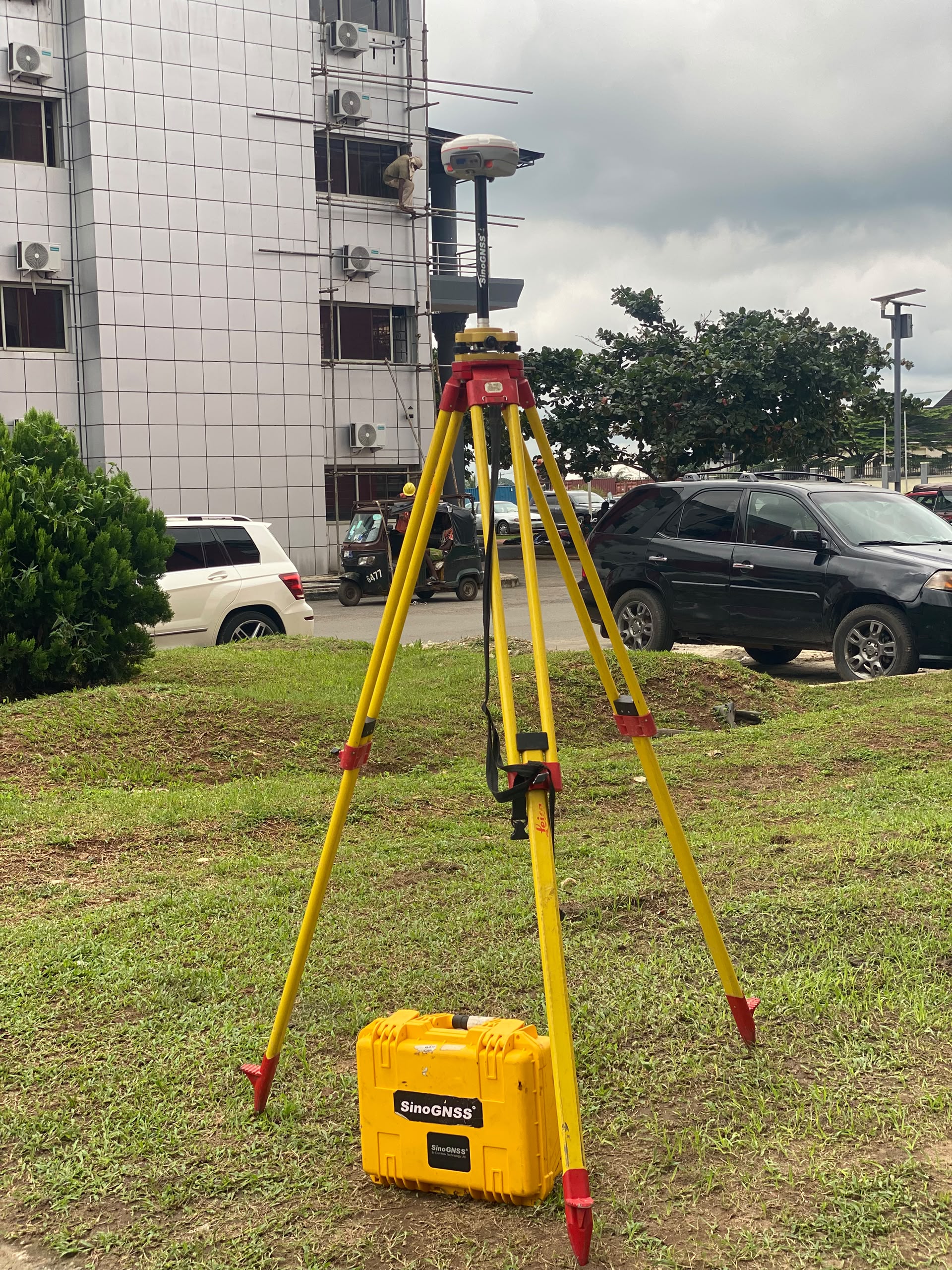
For example, GNSS receivers can be used under canopy, although performance depends on vegetation density, satellite visibility, multipath, and correction conditions.
If your problem is simply reduced GNSS visibility, you need to consider the overall GNSS workflow.
If the problem is that a point is physically difficult to occupy, laser RTK technology can provide an additional measurement option.
This is why you should identify the actual problem before choosing your equipment.
Do Not Forget CORS
If you plan to use CORS or NTRIP corrections, make sure your equipment fits your intended workflow.
Before buying, consider:
• CORS compatibility
• Internet availability in your work areas
• Correction formats
• Controller compatibility
• Data subscription requirements
• Technical support
A good GNSS receiver is only useful if it works effectively within your complete field workflow.
Consider the Cost of Downtime
The purchase price is not the only cost to consider.
What happens if your equipment develops a problem during an important project?
Consider whether your supplier provides:
• Technical support
• Training
• Warranty support
• Repairs
• Calibration
• Replacement parts
• CORS configuration assistance
Reliable after-sales support can save your company significant time and money.
Do You Really Need to Buy Everything?
No.
A new surveying company does not need to own every type of survey equipment from day one.
Start with the equipment required for your most common and profitable projects.
As your business grows, you can gradually add more equipment and specialized technology.
The goal is to build your equipment inventory alongside your revenue.
Think About Return on Investment
Before purchasing, ask how the equipment will help your business make money.
Consider:
• How many projects can you complete with it each month?
• How much are you currently spending on equipment rentals?
• How much time can it save?
• Can it help you take on more projects?
• Can it allow you to offer additional services?
Your equipment should be viewed as a business investment, not simply an expense.
So, Which Survey Equipment Should You Buy First?
There is no single answer for every surveyor or company.
The right choice depends on three major factors:
Your work.
What projects are you handling now, and what projects do you want to pursue?
Your budget.
How much can you invest without putting unnecessary pressure on your business?
Your workflow.
What equipment will help you complete your projects more efficiently?
For some professionals, a GNSS RTK receiver may be the most useful first investment. For others, a total station or another type of equipment may make more sense.
The important thing is to buy according to your actual business needs.
Build Your Equipment Around Your Business
Do not buy survey equipment simply because it is expensive or because another surveyor owns it.
Choose equipment that helps you complete your projects accurately, efficiently, and profitably.
At OTIC Geosystems, we help surveyors, engineering companies, and construction professionals choose surveying and geospatial equipment based on their projects, working conditions, and budget.
Whether you are purchasing your first GNSS receiver or expanding an existing equipment inventory, the goal should always be the same:
Choose the right equipment for the work you want to do.