
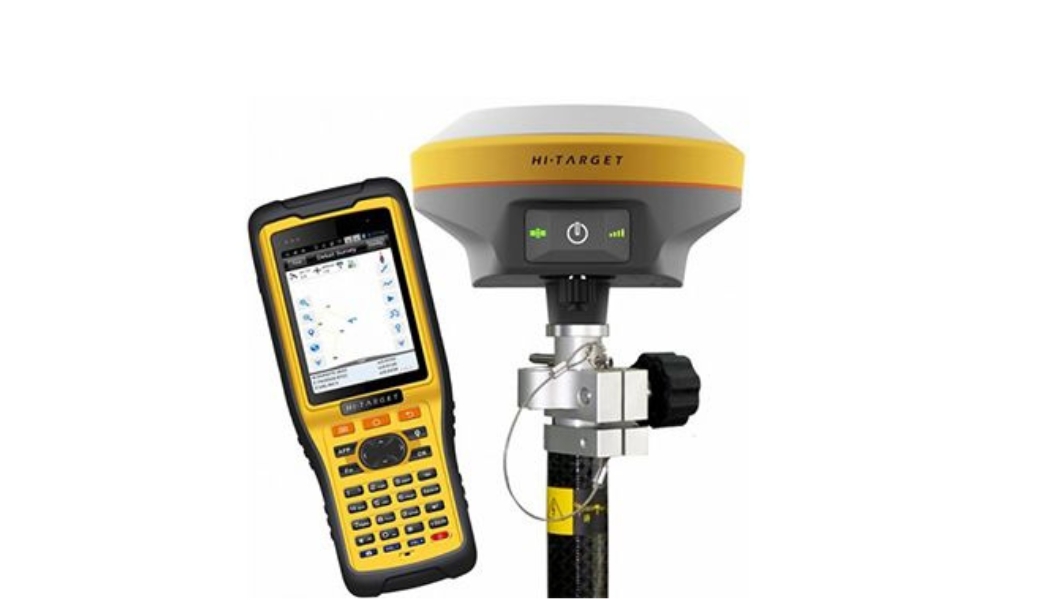
Hi-Target receivers are widely used today across Nigeria and many African countries like Liberia, Zimbabwe, Zambia, and several Northern Nigerian states such as Kano, Kaduna, Katsina, Jigawa, Kebbi, Sokoto, Zamfara, Borno, Yobe, Adamawa, Gombe, Bauchi, Taraba, Kogi, Niger, Nasarawa, Plateau, and Kwara.
They are popular for a simple reason: lower pricing than brands like Leica and Trimble, together with the convenience of being widely available through e-commerce stores, online marketplaces, and surveying equipment resellers.
However, this same availability can also make purchasing more confusing. Buyers may come across different regional versions, imported units, or receivers with varying firmware, network configurations, and warranty coverage. Without proper guidance, many surveyors may not fully understand these differences until they begin setting up the receiver or connecting to their local CORS network.
This guide provides practical information on:
- Where to buy Hi-Target receivers in Nigeria
- Hi-Target GNSS models and specifications
- International and regional versions
- Common issues reported by users
- A brief comparison between Hi-Target and SinoGNSS
- Factors to consider before buying from online marketplaces or resellers
- OTIC GEOSYSTEMS: If you would like to understand more about Hi-Target receivers or GNSS technology in general, you can reach out to OTIC GEOSYSTEMS. As a geospatial solutions provider, their team works with a wide range of surveying and mapping technologies and can help explain GNSS equipment, RTK workflows, CORS connectivity, firmware, network compatibility, and the differences between various receiver models.
- OTIC Surveys is a professional surveying company in Lagos with practical experience using GNSS equipment in real field conditions. Whether you are buying your first RTK receiver or upgrading from an older model, their team can provide practical advice on selecting a receiver based on your project type, working environment, and accuracy requirements. They can also answer questions relating to IMU tilt technology, CORS connectivity, UHF communication, and general field workflows.
Hi-Target GNSS Receiver Models and Specifications (2025)
1. Hi-Target V700S SLAM RTK Hybrid GNSS + SLAM LiDAR + Triple-Camera System.
- Channels: 1,408.
- GNSS Signals: GPS, BDS, GLONASS, Galileo, QZSS, NavIC, SBAS, PPP.
- RTK Accuracy: mm-level.
- Laser/SLAM: 200,000 pts/sec, builds dense 3D point clouds.
- Camera: Triple HD, for contactless measurements.
- IMU Tilt: 200 Hz, high-accuracy tilt survey.
- Battery: 7–8 hours of scanning.
- Durability: IP64, rugged for field use.
2. Hi-Target V600 Laser RTK System: GNSS + Laser + Cameras hybrid system.
- Channels: 1,408.
- GNSS Signals: GPS, BDS, GLONASS, Galileo, QZSS, NavIC, SBAS.
- RTK Accuracy: 8 mm + 1 ppm (H), 15 mm + 1 ppm (V).
- Laser Range: up to 30 m (2–3 cm accuracy at short distances).
- Camera: Dual-camera for visual stakeout.
- IMU Tilt: 200 Hz, up to 60°.
- Battery: Up to 20 hours.
- Weight: 0.73 kg.
Durability: IP68, MIL-STD-810G
3. Hi-Target V500 GNSS RTK.
- Channels: 1,400.
- GNSS Signals: GPS, GLONASS, Galileo, BDS, QZSS.
- IMU Tilt: Auto-calibration.
- Connectivity: 4G, UHF radio, NTRIP.
Battery: 10–12 hours
4. Hi-Target VRTK GNSS RTK System.
- Channels: 1,400+. Signals: GPS, GLONASS, Galileo, BDS.
- RTK Accuracy: ±8 mm + 1 ppm.
- Battery: ~12 hours.
- Weight: 0.95 kg
5. Hi-Target V200 GNSS RTK System.
- Channels: 965.
- Signals: GPS, GLONASS, Galileo, BDS, QZSS.
- IMU Tilt: 0–60° UHF
- Radio: 1W internal.
- Battery: 10–12 hours
6. Hi-Target iRTK5 GNSS RTK System.
- Channels: 800+.
- Signals: GPS, GLONASS, Galileo, BDS, QZSS, SBAS.
- RTK Accuracy: mm-level.
- UHF Radio: 1 W.
- Battery: 10–12 hours
7. Hi-Target V30 Plus GNSS RTK System.
- Channels: 800+
- Signals: GPS, GLONASS, Galileo, BDS.
- RTK Accuracy: ±10 mm + 1 ppm. IMU Tilt:
- Basic tilt support.
- Battery: 10 hours
Real Problems Reported by Hi-Target Users Online: These are verified from public GNSS forums, Reddit threads, and surveyor discussions:
- Receiver Locking / Freezing: Older models like iRTK2 and some Chinese-market V90 variants sometimes freeze during base-rover initialization.
- NTRIP login.
- Solution Fix: This is mostly due to firmware issues or unsupported regional hardware.
2. Difficulty Connecting to Internet / CORS.
Frequently reported problems include:
- Device not detecting the correct network band.
- CORS disconnecting during fix.
- NTRIP login failing randomly. Main cause: users unknowingly bought the Chinese version that does not support African network frequencies.
3. UHF Radio Not Compatible: Many Chinese UHF versions use:
- 450–470 MHz locked.
- Non-standard protocols. These cannot communicate with African UHF repeaters.
4. App/Software Language Problems: Some Chinese versions come with Chinese menus and limited English translation. This is why buying from Jumia, Konga, Alibaba, or random stores is dangerous. Surveyors across Africa frequently complain about:
- Chinese-only versions.
- No warranty.
- Locked channels.
- No after-sales service.
- Inability to connect to Nigerian CORS networks.
- Frequent freezing and internet failure
These platforms do not verify GNSS authenticity. A receiver bought online may look original but fail at the most important task: holding RTK FIX. GNSS receivers are reliable tools for surveyors, engineers, and GIS professionals in Nigeria and across Africa. However, buying the wrong (Chinese) version can cause internet or CORS connection problems, and the receiver may freeze and lock up.
Always buy from verified distributors in Lagos or authorized partners to ensure authenticity, support, and long-term usability. Want to Purchase Your Hi-Target V200 or Any Hi-Target GNSS Receiver?
Contact us @ https://oticgs.com/contact, 📞 Call/WhatsApp: +2347061769934.