
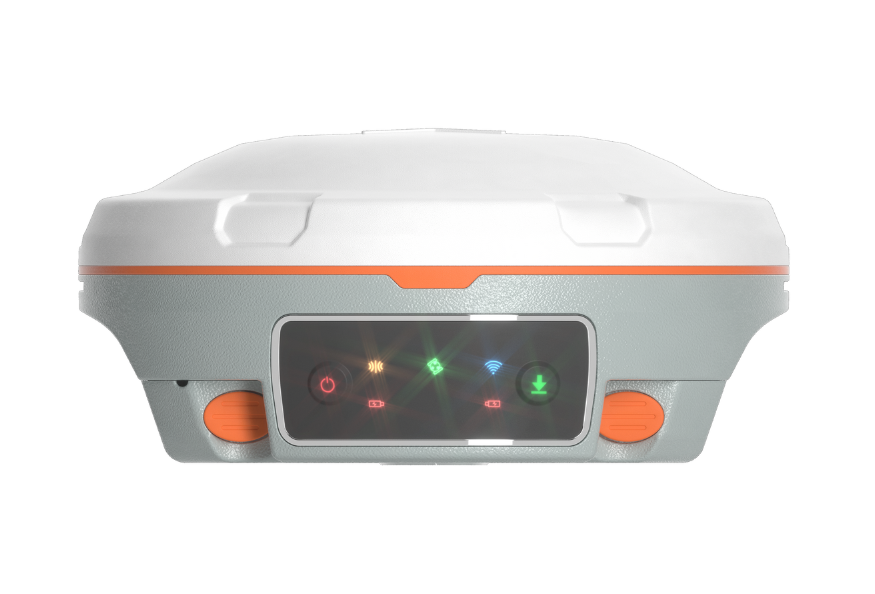
In today’s evolving geospatial industry, selecting the right GNSS equipment can be the difference between accurate results and costly setbacks. With a growing number of brands, models, and configurations available, surveyors and engineers often face a key question: Which GNSS receiver is right for my project? Here’s a practical guide to help you make a smart investment.
1. Define the Scope of Your Projects Start by understanding the type of surveys you do most frequently. Ask: Are you doing static control surveys or real-time work? Will you use it in remote, CORS-deprived areas? Do you need sub-meter, decimeter, or centimeter-level accuracy? Example: A cadastral surveyor needs a dual-frequency RTK receiver with multi-constellation support. A GIS technician may get by with a lighter, mapping-grade device.
2. Check for Compatibility with Your Workflow Your GNSS equipment should integrate seamlessly with: Data collectors (handheld, tablet, or controller) Surveying software (e.g., FieldGenius, SurvCE, or proprietary apps) File formats and export options Don’t buy a receiver that forces you to overhaul your existing workflow unless it brings massive value.
3. Evaluate Correction Services (CORS, RTK, NTRIP) If you're operating in Nigeria or similar environments: Confirm the availability of CORS coverage in your region. Look for receivers with NTRIP client capabilities or support for radio-based corrections if mobile data is unreliable. For remote areas, consider receivers that can work with post-processing or long-range UHF radios.
4. Battery Life and Field Durability Surveying isn’t always a desk job. You need: Long-lasting battery (8+ hours minimum) IP-rated protection (dust/water resistance) Drop resistance and ease of handling in hot, humid, or rugged conditions
5. Multi-Constellation & Multi-Frequency Support Modern GNSS receivers should track more than just GPS. Look for: GNSS constellations: GPS, GLONASS, Galileo, BeiDou, QZSS L1, L2, and L5 frequencies for faster fixes and reliability under canopy or urban environments
6. Future-Proofing and Software Updates Technology evolves. Your equipment should too. Choose brands that offer firmware updates, online support, and active development Avoid obscure brands with no long-term service structure
7. After-Sales Support and Warranty This is often overlooked until there’s a problem. Reliable after-sales service in your country or region is critical. Ask: Who handles repairs? Are spare parts easily available? Is there user training or remote support? At OTIC Geosystems, for instance, we prioritize post-purchase support through our technicians, WhatsApp consultation, and equipment training.
8. Budget vs. Value More expensive doesn’t always mean better for your needs. Don’t buy an RTK rover designed for cadastral if you’re only doing hydrography work. Instead, consider: Total cost of ownership (including data plans, software licenses, accessories) Whether the equipment supports modular upgrades (e.g., adding external radios or tilt sensors later) The best GNSS receiver is one that fits your needs, your terrain, and your workflow, not just your wishlist. Ask for demos. Test it in your environment. And don’t hesitate to ask experts for guidance. If you're unsure where to start, OTIC Geosystems offers free consultations to help you match the right GNSS system to your fieldwork. Ready to upgrade your GNSS setup? Contact OTIC Geosystems today and we’ll help you find the right equipment for the job.