
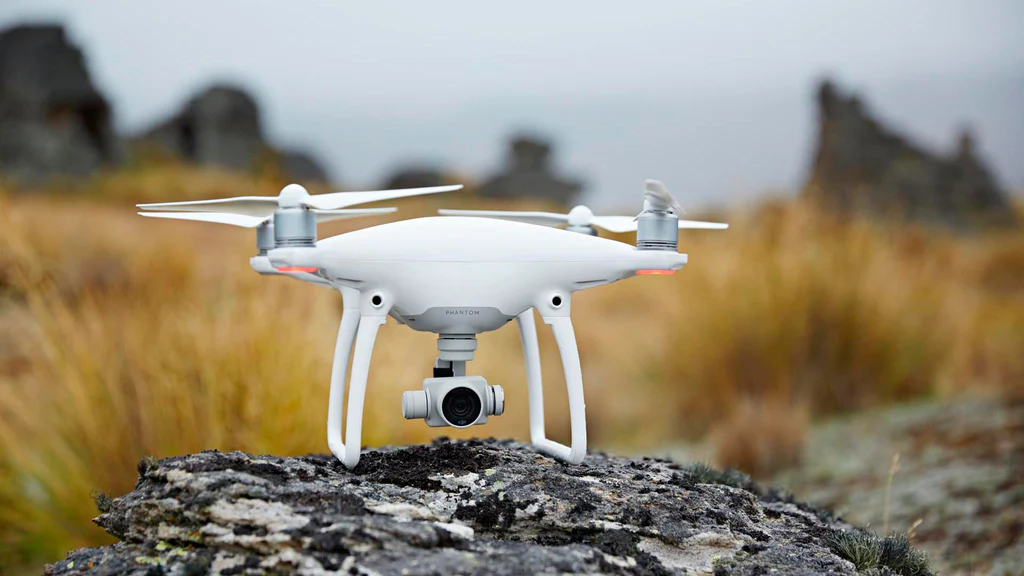
Since its launch, the DJI Phantom 4 has been one of the most recognized drones in the aerial imaging world. Known for its intelligent flight modes, obstacle avoidance system, and camera quality, it quickly became a favorite among drone enthusiasts, photographers, and survey professionals. But years later, with newer models now available, how do customers really feel about the Phantom 4 today?
What Customers Love About the DJI Phantom 4
- Good Camera Quality Most users praise the Phantom 4’s 12-megapixel camera for delivering vibrant images. The integrated gimbal provides smooth, cinematic footage, making it a good choice for professional photographers and videographers. Many reviewers also highlighted its stable hover and sharp image rendering even in windy conditions.
- Reliable Flight Performance Customers frequently mention how stable and responsive the drone feels in flight. The Phantom 4 maintains altitude effortlessly and performs well in moderate winds. Features such as automatic takeoff and Return-to-Home make it easy to control, even for beginners. Its obstacle avoidance sensors are often credited for preventing crashes during automated flights.
- Build Quality and Durability Another major compliment is its solid build. Several users report that the Phantom 4 can withstand minor crashes without major damage. The drone’s robust design and balanced weight distribution make it reliable for field operations, mapping, and aerial inspection tasks.
- Ease of Use For many, the DJI GO app interface and straightforward controls make the Phantom 4 beginner-friendly. First-time flyers find setup quick and operation intuitive—ideal for professionals transitioning into aerial imaging without steep learning curves.
Strong Practical Features Noted by Customers
- Balanced Battery Performance for Professional Use While the Phantom 4’s flight time averages around 25–28 minutes, many users appreciate that it strikes a smart balance between battery capacity and weight stability. This duration is ideal for precise aerial mapping, controlled photo shoots, and short survey missions, ensuring consistent power delivery without overheating or motor strain. Professionals often prefer swapping fully charged batteries between missions—a method that keeps flight operations efficient, safe, and organized during long field days.
- Advanced Gimbal Sensitivity and Real-Time Feedback What some call “gimbal overload errors” can actually indicate the Phantom 4’s finely tuned motion sensors at work. The gimbal system is extremely responsive, providing real-time feedback on flight and balance conditions. This high sensitivity helps professionals detect misalignments early, protecting the drone’s camera from potential shock damage. DJI’s precision engineering ensures smoother footage and stable performance in challenging conditions.
- Professional-Grade Build for Stability and Wind Resistance Although not foldable, the Phantom 4’s solid, aerodynamic body offers unmatched mid-air balance and wind resistance. Its size and weight contribute to superior stability, especially during long-range or high-altitude flights. For surveyors, construction engineers, and cinematographers, this stability translates to more accurate data capture and smoother video output, something ultra-compact drones often struggle to achieve.
- Premium Maintenance Reflects Professional Quality The Phantom 4’s premium-grade components—from its high-torque motors to precision gimbal and propellers—are designed for professional performance and longevity. While replacement parts may cost more, they ensure reliable operation over time, reducing downtime and maintaining consistent output quality.
Many experienced operators prefer investing in this model because its durability and performance reduce the total cost of ownership in the long run. Furthermore, DJI’s global support network and abundant third-party service options make sourcing parts and technical assistance increasingly convenient.
Overall Customer Sentiment
Despite a few drawbacks, customers agree that the DJI Phantom 4 remains a classic workhorse. It’s ideal for aerial photographers, surveyors, and drone professionals who prioritize image stability, flight accuracy, and professional-grade output over compactness and portability.
Its flight reliability and image quality still compete favorably with many mid-range drones even in 2025.
Conclusion
The DJI Phantom 4 continues to stand out as one of DJI’s most reliable and high-performing drones. While it may not have the portability or advanced features of newer models, it remains a trusted companion for professional use, especially for mapping, cinematography, and industrial inspections. For anyone seeking a durable, precise, affordable, and camera-focused drone, customer feedback indicates that the Phantom 4 remains a worthwhile investment. However, users should be prepared for its weight, shorter flight time, and occasional technical quirks.