Can technology replace the surveyor? Rethinking the human role in an automated geospatial world is becoming an important question as GNSS, CORS networks, robotic total stations, drones, LiDAR and artificial intelligence continue to transform surveying and geospatial practice.
But perhaps we are asking the wrong question
Technology Can Measure. The Surveyor Must Understand.
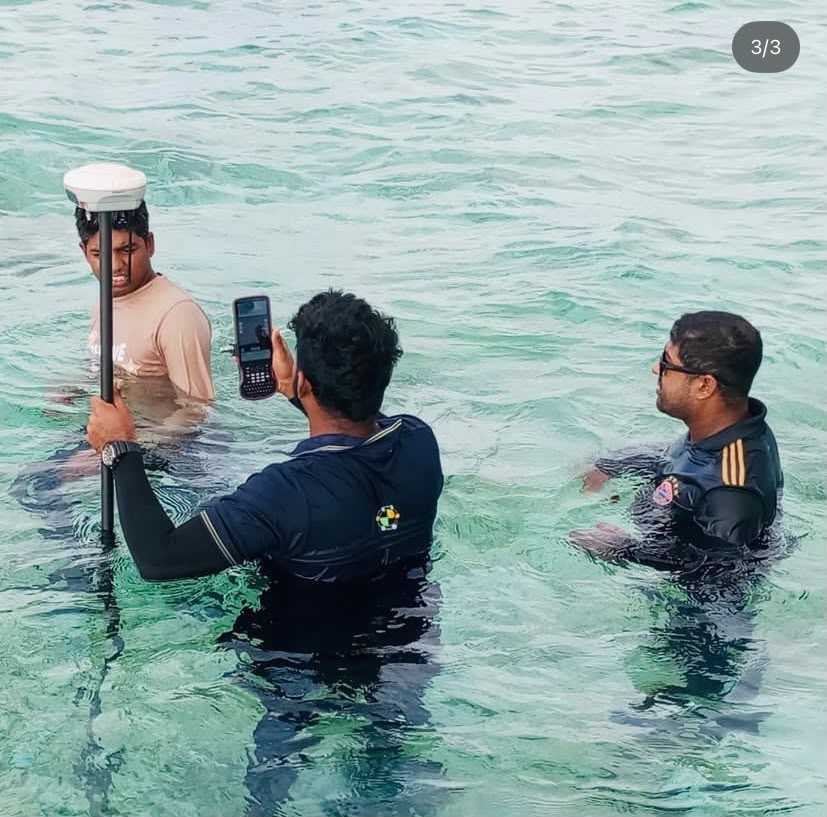
Modern technology can collect and process information faster and at a scale that was once impossible. GNSS provides precise positioning, drones capture extensive areas, LiDAR produces highly detailed spatial data, and automation accelerates processing.
Yet technology does not automatically understand why the data is needed, whether the method is appropriate, whether the results are reliable, or what decisions should follow.
That remains the responsibility of the professional.
The future is therefore not necessarily humans versus machines.
It is humans with machines.
The Right Technology Matters
Embracing technology does not mean adopting everything that is new
The better question is:
“What technology is right for this problem?”
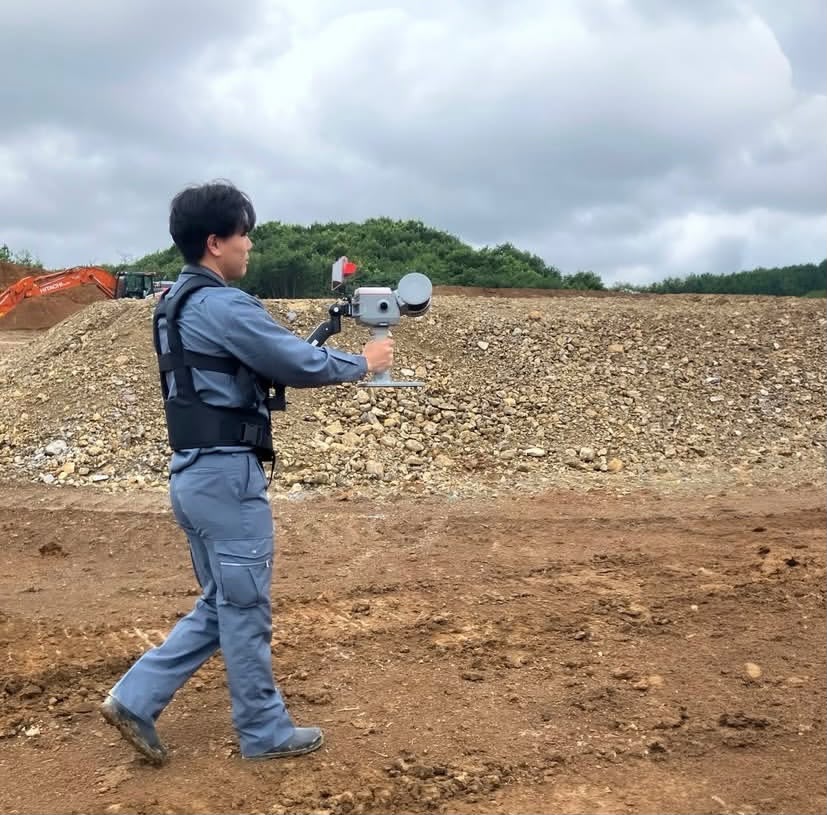
Accuracy requirements, project conditions, infrastructure, technical competence and cost all matter. A sophisticated instrument in the wrong application may be less valuable than a simpler solution properly selected and applied.
This makes trusted technology guidance increasingly important. Professionals need to understand not only what a system can do, but also its limitations, requirements and suitability.
The goal is not simply to put more technology into the hands of professionals, but to put the right technology, knowledge and support into the right hands.
Technology Should Empower the Surveyor
Surveying has always evolved with technology. GNSS transformed positioning. Robotic instruments changed field workflows. Drones and LiDAR expanded data acquisition. Digital systems transformed processing and visualization.
Yet none of these developments removed the need for professional judgment.
Instead, they expanded what surveyors could accomplish.
The surveyor of tomorrow may spend less time performing repetitive tasks and more time validating data, designing workflows, interpreting information and solving complex spatial problems.
The Future Is Capability
The question should therefore not be whether technology will replace the surveyor.
It should be whether the profession is prepared to work alongside increasingly capable technology
The tools will continue to change. The responsibility to provide accurate, reliable and meaningful geospatial information will not.
Technology should not be something the surveying profession fears.
It should be something that equips the profession to do more.
The future of surveying is not about replacing the surveyor.
It is about empowering the surveyor.
Emmanuella Igwe
Business Development Executive
+971568597708