
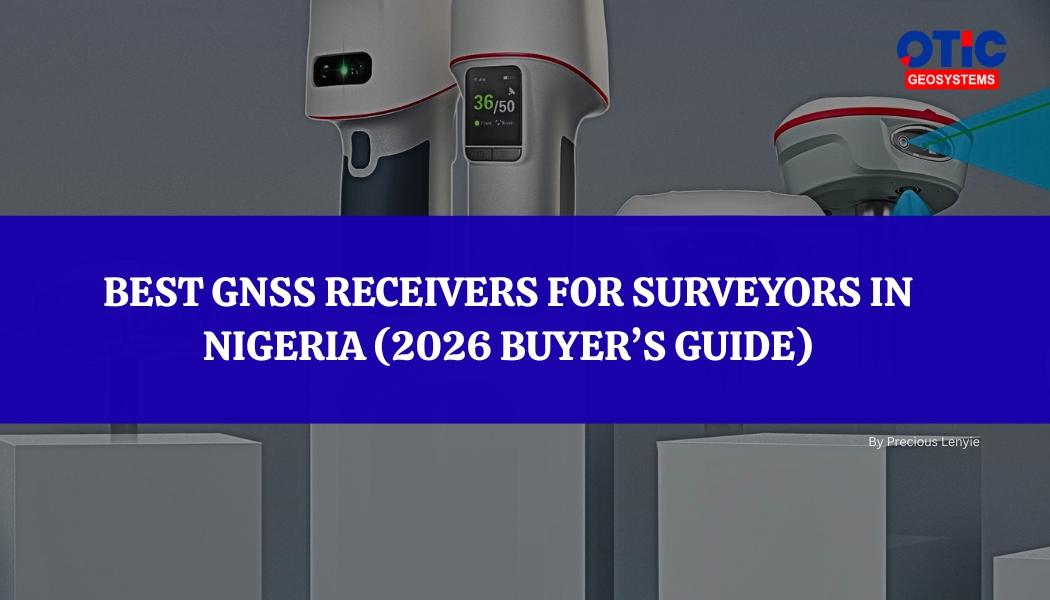
Choosing the Best GNSS receiver for surveyors in Nigeria is no longer just about specifications. Today, surveyors must consider field conditions, network stability, and access to reliable support to ensure consistent performance on real-world projects.
What is a GNSS Receiver?
A GNSS receiver is a surveying device that uses satellite signals to determine accurate positions on the Earth’s surface. In Nigeria, GNSS receivers are widely used for land surveying, mapping, construction, and GIS applications.
Why GNSS Performance in Nigeria Is Different
Surveying conditions in Nigeria are unique. From dense urban environments like Lagos to remote project sites, GNSS receivers face challenges that go beyond technical specifications.
Key factors that affect performance include:
- CORS compatibility and correction signal stability
- Network variability across regions
- Environmental conditions affecting signal reception
- Access to technical support when issues arise
A receiver that performs well elsewhere may struggle if these factors are not properly addressed.
The Hidden Risk in Buying GNSS Equipment
Many surveyors make the mistake of purchasing equipment from platforms like Jumia, eBay, or ordering directly from overseas suppliers without considering what happens after delivery. At first, it may seem like a cost-saving decision, but in reality, it often leads to bigger challenges.
Based on industry experience, there has been a growing number of requests from users of Hi-Target receivers in Nigeria seeking assistance with setup and operational issues. In many cases, the problem is not the equipment itself, but the lack of proper vendor support. Some users do not have access to a physical representative, while others were sold devices without full disclosure of important details.
A common example is the sale of region-specific GNSS receivers, where units designed for the Chinese market are distributed in Nigeria instead of internationally supported versions. These devices may appear more affordable upfront, but they often come with limitations in firmware updates, compatibility, and long-term usability.
When issues arise in the field, configuration challenges, connection problems, or unexpected errors, who do you turn to? If the vendor is unavailable or unresponsive, productivity drops and project timelines are affected.
This highlights a critical point: having a vendor is not enough. What truly matters is working with a vendor that is transparent, accessible, and committed to supporting you beyond the point of sale. After-sales support is not optional; it is a requirement.
What to Look for in GNSS Receivers in Nigeria
Before making a purchase, surveyors should evaluate GNSS receivers based on real operational needs:
- Field Reliability
Consistent RTK fix throughout the workday
- Local Compatibility
Smooth integration with Nigerian correction services
- Ease of Use
Quick setup and minimal configuration challenges
- Battery Performance
Ability to last through full-day field operations
- Technical Support
Access to responsive, knowledgeable assistance when needed
How to Buy GNSS Receivers in Nigeria Without Costly Mistakes
The difference between a smooth project and constant field frustration often comes down to one decision: who you buy from.
In Nigeria, a reliable GNSS setup is not just about the receiver. It requires:
- Proper configuration before deployment
- Compatibility with local correction services
- Access to technical support when issues arise
- Training to ensure efficient use in the field
This is where many purchasing decisions go wrong. The focus is placed on price or brand, while the most critical factor, long-term usability and support, is overlooked.
A smarter approach is to work with a vendor that does more than supply equipment. You need a partner that understands local surveying challenges and ensures your system works from day one.
Why Working with the Right GNSS Partner Matters
With the right support structure in place, surveyors' experience:
- Faster setup and deployment
- Stable RTK performance across different locations
- Reduced downtime during projects
- Confidence when handling complex field conditions
Instead of struggling to fix issues alone, you have access to guidance that keeps your work moving.
GNSS Receiver Price in Nigeria (2026 Guide)
GNSS receiver prices in Nigeria vary depending on features, brand, and support package.
Typical price factors include:
- RTK capability
- Number of satellite constellations
- Battery capacity
- Included accessories
- Availability of local support
Buyers should focus on total value rather than just upfront cost, as cheaper options often lead to higher long-term expenses due to a lack of support
The OTIC GEOSYSTEMS Approach
At OTIC GEOSYSTEMS, the focus is on delivering Geospatial solutions that are built for real working conditions in Nigeria.
This includes:
- Recommending the right equipment based on your specific use case
- Complete setup and configuration before deployment
- Hands-on training for your team
- Ongoing technical support whenever needed
The goal is simple: ensure your GNSS receiver works reliably in the field, not just on paper.
Making the Right Investment
A GNSS receiver is not just a purchase; it is a critical tool for project delivery and efficiency.
Choosing the right vendor ensures:
- Fewer disruptions
- Better performance
- Long-term value for your investment
There are several GNSS receivers available today, including options from global manufacturers such as ComNav Technology, known for its SinoGNSS range. These systems have gained increasing adoption among surveyors in regions such as Rivers State, Lagos, and Akwa Ibom due to their consistent performance and growing presence in the Nigerian market.

In addition, the availability of reliable CORS infrastructure across multiple states continues to improve GNSS usability, making it easier for surveyors to achieve stable results when the right equipment and support are in place.
Ultimately, focusing on reliability, compatibility, and strong vendor support will always deliver better outcomes than making decisions based on price alone.
Looking for a GNSS solution that works reliably in Nigeria?
Contact OTIC Geosystems today for expert guidance, proper setup, and ongoing support tailored to your surveying needs.